I woke to a dashboard light and the smell of hot electronics, and I knew I needed help fast. I cover how to triage a door sensor failure, tips for choosing a trustworthy 24 hour locksmith, realistic time and cost expectations, and pitfalls to avoid. You will get no hyperbole, just direct, experience-driven guidance and a few anecdotes that highlight the trade-offs.
The hidden job of a door sensor and the consequences when it stops working.
Modern vehicles use door sensors to inform the body control module, and a faulty sensor can trigger false alarms, prevent the car from locking, or stop interior lights from changing state. Symptoms vary widely: the lock actuator may grind, the key fob won't lock all doors, or the car refuses to arm its security system. If you start with the sensor's role in the electrical chain, you can narrow diagnostic steps sensibly instead of chasing symptoms.
Fast, safe diagnostics to perform when a door sensor acts up.
Before you escalate to an emergency locksmith, perform basic checks that reveal wiring or connector problems. Check whether the dome light behaves when you wiggle the latch or pull the door close, because a misaligned striker can confuse the sensor. Look for frayed wiring where the harness passes through the hinge, and try locking versus unlocking with both controls to reproduce the fault. If you feel comfortable, remove the door panel to visually inspect the sensor and connectors, but stop if you lack the right tools or if the car is under warranty.
Criteria to vet an emergency locksmith quickly and effectively.
Reputation and local presence matter more in emergencies than flashy ads or the lowest quote. Ask for a clear breakdown of labor, diagnostic fees, and parts before they start work and confirm whether they carry OEM or aftermarket sensors. Confirm that the technician is insured and bonded, and request identification when they arrive. When the problem is upstream in the body control module, a locksmith's prudent referral can save you money and frustration.
What a realistic timeline looks like for an emergency door sensor repair.
A simple sensor replacement on site can take 30 to 90 minutes, while intermittent wiring faults or module programming may take several hours or a trip to a shop. If the locksmith must order an OEM sensor or call a parts supplier, you may face a day or two delay unless they carry the part on their van. Some modern vehicles need reprogramming after a sensor swap, and that process can add time if a dealer-level scan tool is necessary.
Costs you should expect and how to spot fair pricing.
An after-hours call will usually add to the base price, and parts like OEM sensors command higher fees. A straightforward parts-and-labor job often lands in a roughly $120 to $350 range, but diagnostic-heavy or OEM-programming work can exceed that. A trustworthy locksmith will offer at least a short warranty on parts and labor and will distinguish OEM from compatible alternatives.
Mistakes I have seen people make under stress and how to prevent them.
Paying the first high quote without basic vetting leads to regret more often than not, and you should get at least two estimates if time allows. A professional will test the sensor, connectors, and wiring before suggesting part replacement and will explain the evidence. Demanding module swaps without clear proof is usually avoidable and often unnecessary.
What to expect during the on-site diagnosis and repair process.
First they reproduce the fault, then they probe the sensor circuit with a multimeter and check for intermittent continuity through the hinge harness. Intermittent faults are commonly caused by flexing wires at https://locksmithunit.com/locksmith-lake-nona-fl/ the hinge, and physical manipulation during testing usually reveals that problem. After installing a new sensor, a proper job includes verification that locks, interior lights, and alarms behave correctly and that any modules recognize the change.
Limits of locksmith repairs and the point at which dealer diagnostics become necessary.
When the fault crosses into secure reprogramming or OEM-only diagnostics, a dealer or certified auto electrician is the right call. Severe damage or signs of burning wiring indicate underlying hazards and need a controlled repair environment. A locksmith will tell you when they cannot proceed, and a straightforward referral is a sign of professionalism rather than weakness.
How to avoid repeat visits by making small, durable changes.
Protecting the hinge harness with conduit and avoiding sharp steering of wires when doors slam are low-cost measures that prevent common failures. Moisture accelerates connector failure, and simple corrosion prevention measures dramatically reduce electrical headaches. When your vehicle is older, ask the locksmith about aftermarket heavy-duty sensors or reinforced connector kits that can be fitted at modest cost.
Real stories from the road and lessons they taught me.
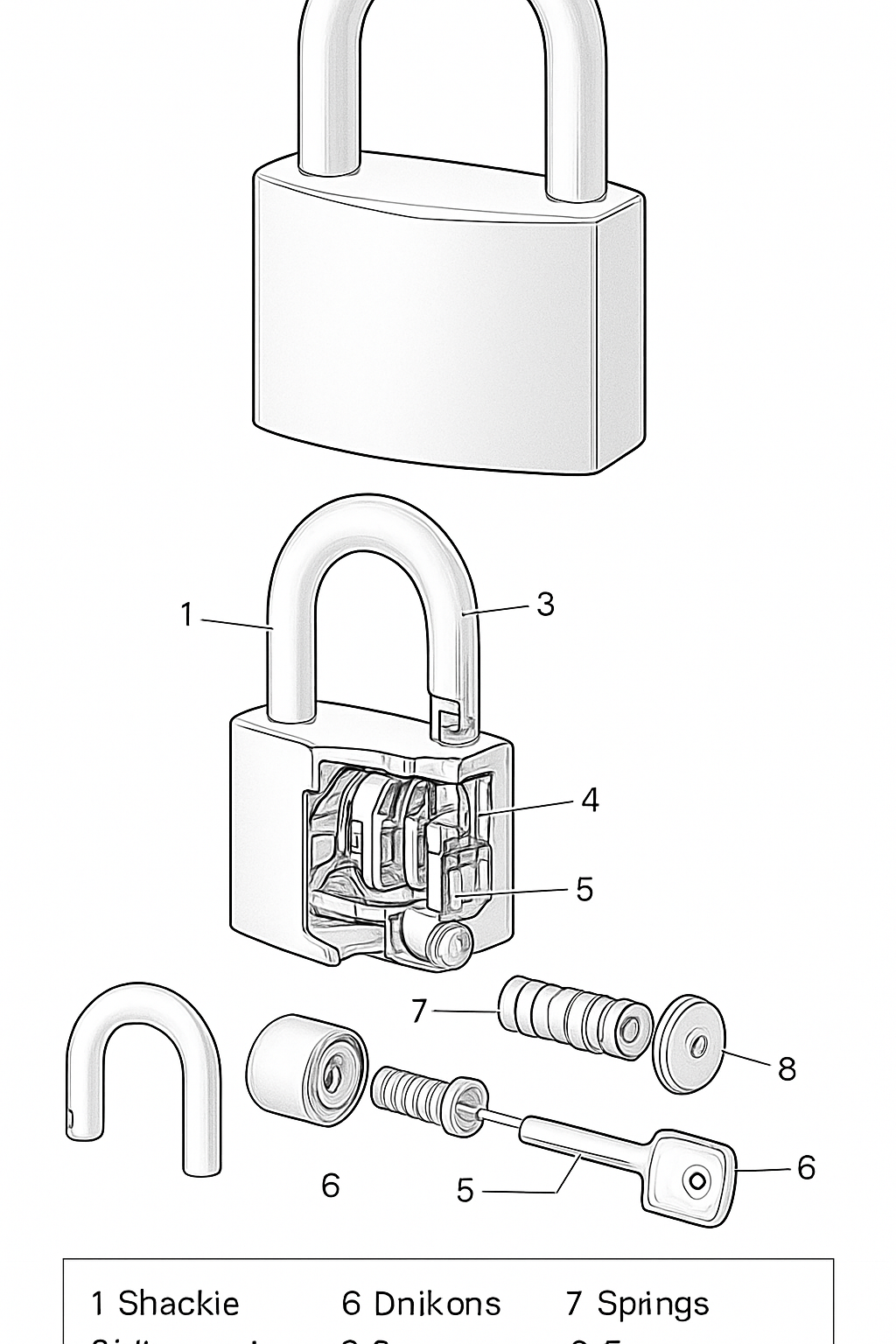
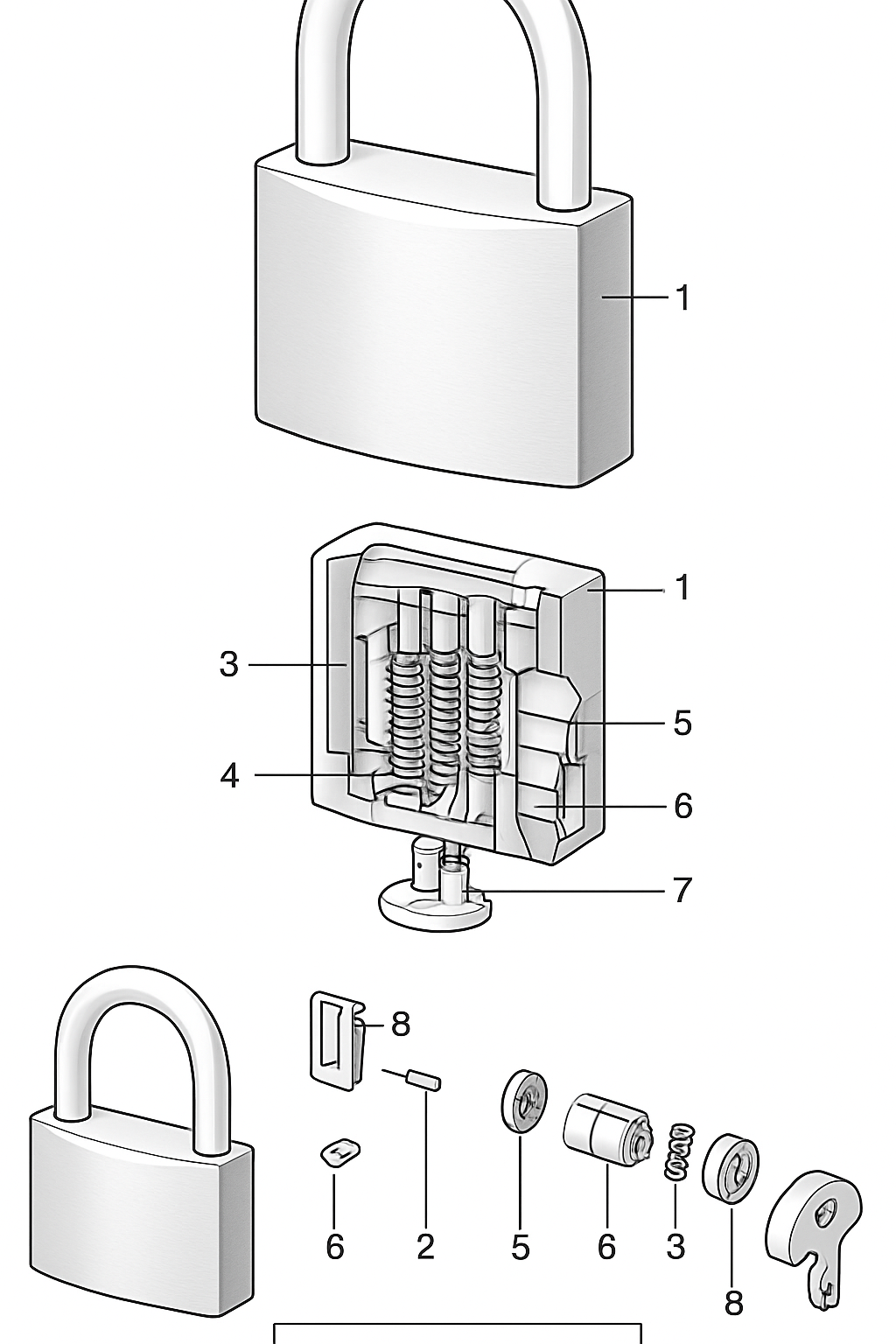
Once I fixed a sensor by straightening a torn conductor inside the hinge boot and saved a customer a dealer-level bill, and the lesson was to inspect before replacing parts. These small victories show why testing and visual inspection beat part swapping when time is short and stakes are high. Good technicians earn trust by showing their work and standing behind results, and that matters most in urgent repairs.
A concise set of steps to follow when the door sensor fails.
Document the technician's name and the vehicle condition on arrival to avoid misunderstandings later. Try simple checks first: operate the door slowly, listen for the actuator, look for frayed wires at the hinge, and only remove the panel if you have the right tools. Pay for diagnosis and choose repair based on evidence, not on a scripted pitch.
If you follow those steps, you will usually turn a stressful roadside failure into a manageable repair and get back to the road with confidence.