Calling a local emergency locksmith can cut wasted hours and protect valuables with less fuss. You will get concrete examples from fieldwork, clear pricing considerations, and tips for choosing a locksmith who balances speed with care. Keep these notes handy so the next time you search for a locksmith near me, you know what questions to ask and what to expect.
How a local locksmith assesses a home lockout
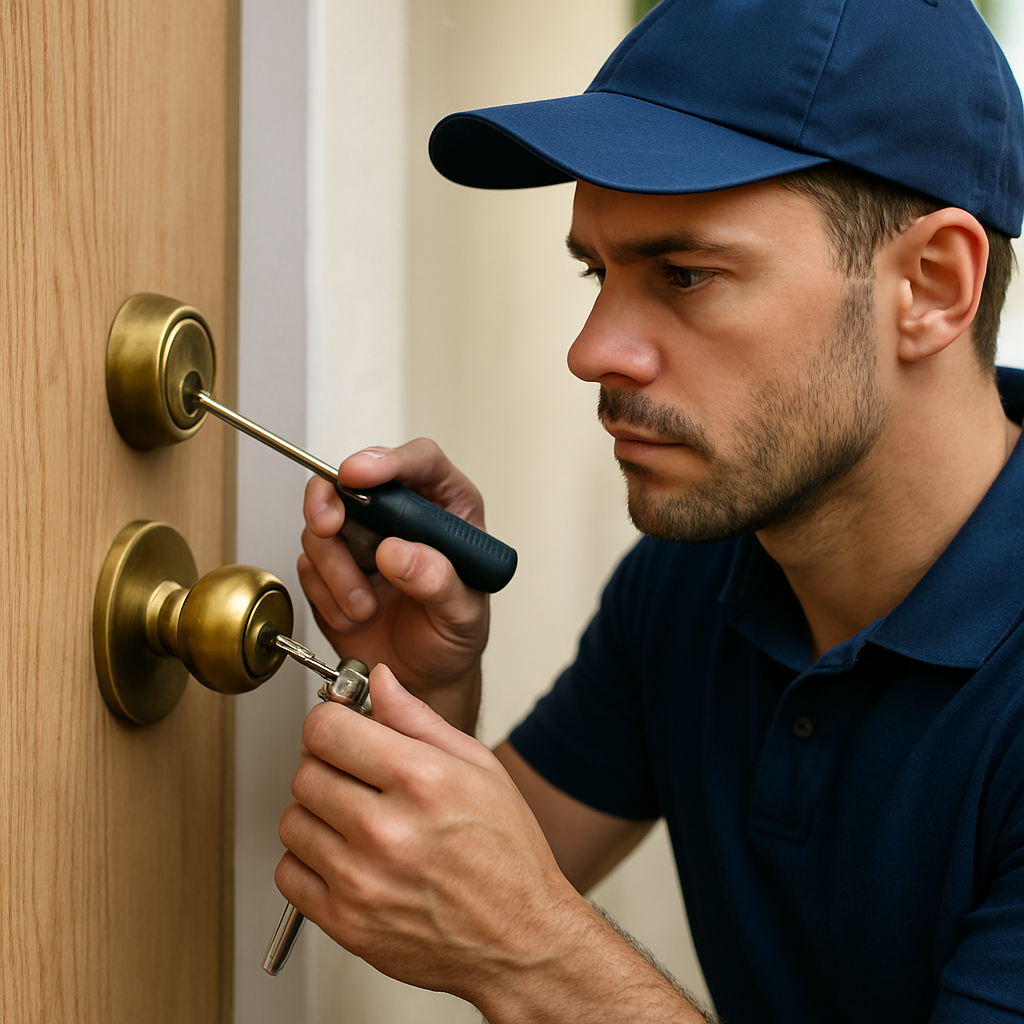
When a homeowner calls, the first action for a locksmith is an on-the-phone triage to gauge urgency and safety. Those simple details tell the technician whether to bring extra tools, a ladder, or specialized equipment for a safe or mailbox. If the situation is non-threatening, the locksmith might quote a ballpark arrival window and a likely starting price range.
What to expect during a home safe opening by a pro
Opening a residential safe usually requires slow, precise work, not the heavy-handed approaches seen in movies. Knowing whether the safe has a mechanical dial, an electronic pad, or a secondary locking mechanism changes the opening plan from minute one. When I opened a common floor safe once, I spent nearly an hour manipulating the dial to feel the subtle feedback rather than drilling and ruining the door.
Pricing and timing: realistic expectations for Orlando calls
Residential lockouts and safe openings commonly fall into predictable time and price bands depending on complexity. A simple lockout from a standard deadbolt often takes 15 to 30 minutes on site and comes with a lower emergency fee than a safe opening. If manipulation does not succeed, the next steps might include drilling or ordering a manufacturer key, and those options increase time and cost.
How to verify credentials and avoid scams
Before letting anyone into your property, ask for the company name, technician name, and a callable number, because fraudulent operators sometimes use vague identifiers. A valid local business listing, clear pricing over the phone, and a written receipt at the end are strong indicators of legitimacy. Small steps like verifying ID and insisting on a paper receipt reduce your risk and set a professional tone for the job.
Tools and techniques: what technicians bring for residential work
A typical residential locksmith van contains picks, bypass tools, a portable drill, drill templates, key machines, and a selection of replacement hardware. When possible, pros try picking, impressioning, or decoding locks to preserve hardware, but they keep drill bits and replacement parts ready if those methods fail. https://locksmithunit.com/automotive-locksmith/ There are edge cases, like older mortise locks or electronic units with dead batteries, that force different strategies or require parts ordered from the manufacturer.
Choosing between rekeying, replacement, and temporary fixes
Homeowners often opt for rekeying after a move or a lost key because it gives control over access with minimal expense. When the existing lock shows wear, has been tampered with, or you want a higher grade of protection, replacement is the prudent option. Insurance and municipal codes can require specific lock grades for certain properties, so a DIY temporary fix can have unintended consequences.
Safety, liability, and documentation to request
Ask the locksmith to record the work on a written invoice, including model numbers, parts used, and any evidence of forced entry noted during the job. If the locksmith must drill a safe or change a lock due to tampering, get a brief incident note with photos if you suspect a crime, because insurers often require proof. You should know whether the replacement cylinder or electronic unit carries a 90-day, one-year, or longer warranty, as that affects long-term value.
Common services a residential Orlando locksmith offers
Most residential locksmiths handle a predictable range of tasks that resolve daily lock and safe problems.
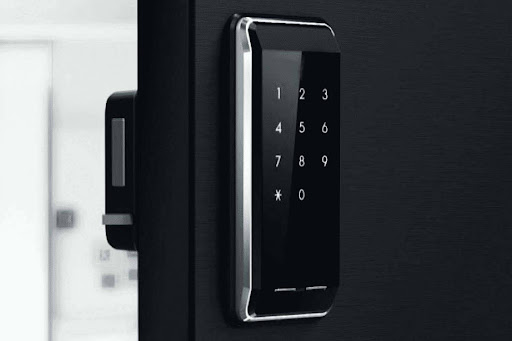
- Emergency house lockout response, non-destructive entry, and same-visit replacement of compromised hardware. Cylinder rekeying and creation of master key systems for landlords and multi-unit properties. Residential safe opening, combination recovery, and repair referrals when parts are needed. Lock replacement with higher-security cylinders, deadbolts, and smart lock installation.
How to prepare before a locksmith arrives
Pull together proof of residency, photos of the lock or safe, and any keys you still possess because technicians will ask for verification before working. Clear the area around the door or safe so the tech can work safely, and if you have pets, secure them elsewhere to avoid distractions. Model numbers and photos allow the tech to pre-plan; a quick look at the safe manual or an underside label can save trial-and-error time.
Making a lasting choice: balancing cost, speed, and security
Choosing a locksmith is a matter of trade-offs between immediate speed, long-term security, and fair pricing. Urgency justifies paying more, but proper documentation protects you from inflated final bills. When you prioritize a long-term solution, schedule a daytime appointment for a full assessment and estimate and consider upgrading to higher-grade hardware.
Final practical tips for Orlando homeowners
A managed spare key strategy prevents many late-night locksmith calls. Photograph your safe's external label and record your locks' model numbers so you can share that data with the locksmith and speed up service. When you call, insist on an itemized final invoice, check the technician's ID, and ask about warranties for parts and labor so you leave with both your home and peace of mind.
Selecting a local, transparent, and experienced technician gives you the best chance of a quick resolution without unnecessary damage. Treat locksmith choices like any home-safety decision: check credentials, compare a few quotes, and prefer professionals who explain trade-offs rather than promising instant miracles.